Nellcor Oximax DS-100A SpO2 Sensor – Reliable Oxygen Monitoring for Clinical Precision
March 28, 2026🩺 Introduction
Pulse oximetry has become a cornerstone of modern patient monitoring, offering clinicians a quick, non‑invasive way to assess oxygen saturation (SpO2). Among the most recognized devices in this field is the Nellcor Oximax DS‑100A Durasensor, a reusable sensor that balances precision, durability, and patient comfort. This blog explores its specifications, clinical applications, benefits, and considerations for healthcare providers, while also comparing it with other SpO2 sensors on the market.
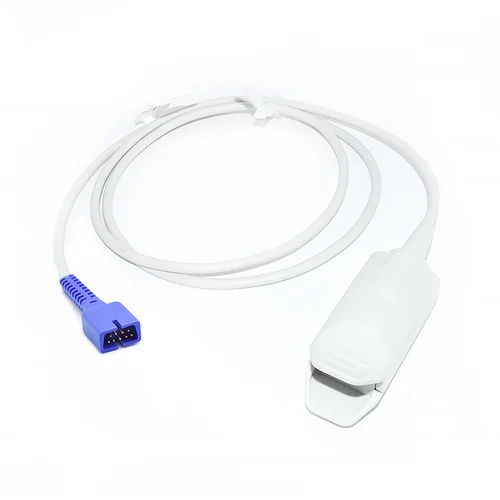
Our Product Listed https://us-cables.net/?product=nellcor-spo2-sensor
🔹 What is SpO2 and Why It Matters
Definition of SpO2
SpO2, or peripheral capillary oxygen saturation, refers to the percentage of hemoglobin in the blood that is saturated with oxygen. Hemoglobin is the protein inside red blood cells responsible for transporting oxygen from the lungs to tissues throughout the body. By measuring SpO2, clinicians gain a quick snapshot of how effectively oxygen is being delivered to vital organs.
Normal SpO2 Ranges
In healthy individuals, SpO2 levels typically range between 95% and 100%. Levels below 90% are considered low and may indicate hypoxemia, a condition where insufficient oxygen is circulating in the blood. Certain populations, such as patients with chronic obstructive pulmonary disease (COPD), may have slightly lower baseline levels, but consistent drops still warrant medical attention.
Clinical Importance of Monitoring
Continuous SpO2 monitoring is essential in a variety of clinical scenarios:
- Respiratory conditions: Patients with asthma, pneumonia, or COPD benefit from ongoing monitoring to detect oxygen desaturation early.
- Anesthesia and surgery: During operations, anesthesiologists rely on SpO2 readings to ensure patients maintain safe oxygen levels under sedation.
- Critical care: In intensive care units, SpO2 monitoring is a standard part of patient management, especially for those on ventilators or receiving supplemental oxygen.
- Emergency medicine: First responders and ER staff use SpO2 sensors to quickly assess trauma patients or those in respiratory distress.
Technology Behind SpO2 Measurement
Pulse oximeters work by emitting light at two wavelengths — typically red and infrared — through a patient’s finger or earlobe. Oxygenated hemoglobin absorbs more infrared light, while deoxygenated hemoglobin absorbs more red light. The sensor detects the ratio of absorbed light and calculates oxygen saturation. The Nellcor DS‑100A, with its Durasensor technology, ensures these readings remain accurate even in challenging clinical conditions.
Implications for Patient Safety
Reliable SpO2 monitoring is not just about numbers — it directly impacts patient safety. Early detection of hypoxemia allows clinicians to administer oxygen therapy, adjust ventilator settings, or intervene before complications escalate.
🔹 Nellcor Oximax DS‑100A Specifications
The DS‑100A is designed with clinical precision and durability in mind. Its specifications highlight why it remains a trusted choice in hospitals worldwide:
- Type: Reusable adult oxygen sensor, intended for patients weighing over 40 kg.
- Compatibility: Works seamlessly with Nellcor OxiMax pulse oximeters and many integrated patient monitoring systems.
- Design: Incorporates Durasensor technology, which enhances durability and ensures consistent readings even in high‑use environments.
- Application: Designed for finger placement. To maintain skin integrity, clinicians are advised to reposition the sensor every 4 hours.
- Certifications: FDA‑approved and CE‑marked, ensuring compliance with international medical standards.
- Cable Length & Build: Typically 1.5–2 meters, with a flexible, patient‑friendly design that minimizes discomfort.
🔹 Clinical Applications
The DS‑100A is versatile across multiple hospital departments:
- Operating Rooms: During anesthesia, SpO2 monitoring is essential to ensure patients maintain safe oxygen levels.
- Intensive Care Units (ICUs): Critically ill patients often require continuous monitoring. The DS‑100A’s accuracy ensures clinicians can detect even subtle drops in oxygen saturation.
- Emergency Care: In trauma or respiratory distress cases, rapid SpO2 assessment guides immediate interventions such as oxygen therapy or intubation.
- General Wards: For patients with chronic respiratory or cardiac conditions, routine monitoring with the DS‑100A helps prevent complications and supports recovery.
🔹 Benefits of DS‑100A
The DS‑100A offers several advantages that make it stand out:
- Accuracy: Provides consistent, reliable SpO2 readings even in challenging clinical conditions.
- Durability: Built for repeated use, reducing waste and long‑term costs compared to disposable sensors.
- Ease of Use: Simple application and removal, with clear repositioning guidelines.
- Compatibility: Integrates seamlessly with Nellcor OxiMax systems and many hospital monitors.
- Cost Efficiency: While the upfront cost is higher than disposables, the reusable nature saves money over time.
- Patient Comfort: Lightweight and ergonomically designed for finger placement, minimizing discomfort during extended monitoring.
🔹 Limitations & Considerations
Despite its strengths, the DS‑100A has limitations clinicians should consider:
- Not for Long‑Term Continuous Use: Must be repositioned every 4 hours to prevent skin breakdown.
- Motion Sensitivity: Active or restless patients may produce inaccurate readings due to movement.
- Reusable Nature: Requires strict cleaning and disinfection protocols to prevent cross‑contamination.
- Population Restriction: Designed for adults over 40 kg, not suitable for pediatric or neonatal patients.
📊 Comparison with Other SpO2 Sensors
| Feature | Nellcor DS-100A | Disposable | Masimo RD SET |
| Type | Reusable | Single-use | Reusable |
| Durability | High | Low | High |
| Cost Efficiency | Better long-term | Higher recurring cost | Moderate |
| Accuracy | High | Moderate | Very high (motion-tolerant) |
| Compatibility | Nellcor OxiMax systems | Limited | Masimo monitors |
🔹 Infection Control & Maintenance
Because the DS‑100A is reusable, proper cleaning protocols are essential. Hospitals typically use disinfectant wipes or sterilization procedures between patients. Staff training ensures sensors are not only accurate but also safe for repeated use.
🔹 Patient Comfort
The DS‑100A is designed for finger placement, offering a secure yet comfortable fit. Its lightweight build minimizes patient discomfort during extended monitoring sessions. Repositioning every few hours ensures both accuracy and skin integrity.
🔹 Cost Analysis
- Disposable sensors: Lower upfront cost but recurring expenses with each patient.
- DS‑100A reusable sensor: Higher upfront cost but significant savings over time.
For hospitals monitoring hundreds of patients daily, the DS‑100A offers substantial long‑term savings while maintaining clinical precision.
The Nellcor Oximax DS‑100A SpO2 sensor remains a trusted choice for clinicians seeking reliable, reusable oxygen monitoring solutions. Its balance of accuracy, durability, and compatibility makes it ideal for hospitals and clinics worldwide. While not suited for long‑term continuous use or highly active patients, it excels in controlled clinical environments where precision is paramount.
Healthcare providers looking to optimize patient monitoring while managing costs will find the DS‑100A a dependable solution.
🔹 Benefits of DS‑100A
- Accuracy
- Durability
- Ease of Use
- Compatibility
- Cost Efficiency
- Patient Comfort
Ready to upgrade your patient monitoring system with proven reliability?
👉 Explore the Nellcor Oximax DS‑100A SpO2 Sensor today at US‑Cables.net and ensure your facility is equipped with FDA‑approved, CE‑certified technology trusted by healthcare providers worldwide.